
Extra virgin olive oil (EVOO) is such a common ingredient in the world’s cuisine these days that few people question its origins or how it’s produced. The fact is that olive oil has been around for a long while: early references point out that people have been cooking with cold-pressed olive oil for about 8,000 years, in the Mediterranean region.
It’s an absolute staple in world cuisine today, and it has been praised across the millennia for its health benefits. In ancient times, it was used in the most varied situations, from an ingredient in feasts to a cure for ailments and even in religious ceremonies. Here’s everything you need to know about what Hippocrates, the “Father of Medicine,” used to call “the great healer”.
What Makes Cold-Pressed Extra Virgin Olive Oil from Spain Different From Other Oils?
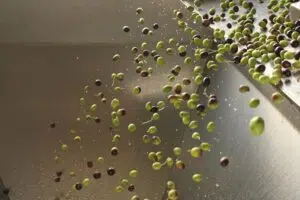
Extra Virgin olive oil from Spain has always been something akin to a fruit juice. Here, fruits are crushed without high temperatures or chemical aids, resulting in the purest, cold-pressed extra virgin olive oil with manifold health benefits. Some of these benefits include antioxidant and anti-inflammatory properties, reduced blood pressure, and improved cardiovascular health.
Thanks to the cold-pressing process, much of its nutritional value is retained in the end product, unlike other oils. More importantly, cold-pressed extra virgin olive oil isn’t refined, which makes all the difference in its taste. EVOO from Spain has a much richer flavor, with fruity and peppery notes, while refined options often have a bland taste.
Other extra virgin olive oil advantages include improved long-term brain health, cancer prevention, weight management, and metabolic health. Given its antioxidant properties, EVOO is much more stable at high temperatures, whereas other oils would oxidize, forming harmful compounds that can harm cardiovascular health.
Is Cold-Pressed Extra Virgin Olive Oil Suitable For Cooking?
Absolutely! Some people would argue that, since EVOO is extracted by cold-pressing, heating it would ruin its flavor and nutritional properties. It’s all a myth, of course. Indeed, it has a pure flavor when added raw to salad dressings, but it can also be heated up at mild temperatures for cooking, as long as it’s not burnt; a piece of advice that would work for any oil.
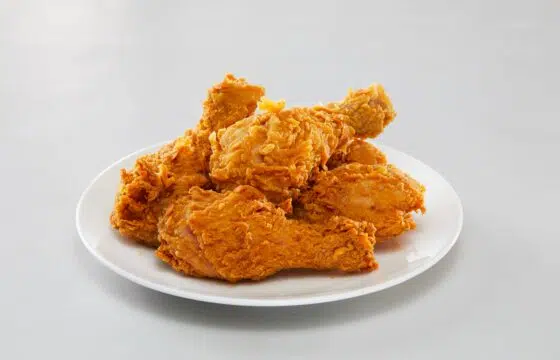
When cooking with cold-pressed extra virgin olive oil from Spain, it’s vital to monitor the temperature; it should never exceed 410ºF (210ºC). After this point, EVOO loses all of its healthy properties and natural flavor. Worse still, it could start oxidizing and become downright harmful. However, if kept at moderate, controlled heat, it adds not only taste but also a unique aroma, which can’t be replaced by any other ingredient.
In fact, some dishes call for high-purity EVOO, like tortilla de patata, pan tumaca, gambas al ajillo, and others. There are even desserts based on this millennia-old ingredient, such as the citrus olive oil tart, gingerbread cake, and the lemon olive oil cake. Cold-pressed extra virgin olive oil is one of the most versatile ingredients out there.
Best Cooking Methods For Cold-Pressed Extra Virgin Olive Oil
As previously demonstrated, there’s a wide range of recipes one can prepare with EVOO. Anyway, it will be either added raw to doughs, salad dressings, and such, or mildly heated up for sauteing meat or vegetables. In sweet recipes like cakes, tarts, and muffins, it’s often used as a healthier alternative. Additionally, it’s an indispensable ingredient in bread dips, vinaigrettes, and emulsion sauces.
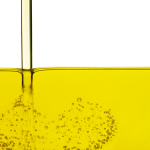
However, it’s impossible to choose the adequate cooking method for each type of EVOO without acknowledging that they’re not the same. Features like color and texture may vary depending on the type of olive used in the process. Some people say dark green options are better than light-colored ones, but that’s not necessarily true; colors can range from multiple shades of green to even golden yellow.
As a rule of thumb, specialists advise using milder cold-pressed extra virgin olive oil for cooking, saving the boldest bottles for finishes. For cooking with cold-pressed olive oil, use temperatures between 375ºF (190ºC) and 410ºF (210ºC).
Cold-Pressed Extra Virgin Olive Oil For Everyday Meals
The cue is in the details. When it comes to EVOO from Spain, good quality starts in the bottle, which should be made of dark glass or tin to protect it from oxidation caused by light. It’s also necessary to pay attention to the harvest, which should not be too old (18 months maximum), and this is only possible if they come from single-variety or DOC crops.
It’s impossible to determine the yield of blended crops, which is one of the reasons they should be avoided. Naturally, following these tips will increase the price of your everyday cold-pressed extra virgin olive oil. It will be for an excellent cause, though. More importantly, it can be affordable. Popular supermarket chains have value options that follow the criteria.










0 Comments