
Olive oil from Spain has become a staple for many people across the world. However, even today, Spain is still known as the origin of the olive, including for its Arbequina oil. So, how did the variety expand to other countries? Let’s go back in time and learn how arbequina gained its global popularity.
The Origins of Arbequina Olive Oil in Spain
The Arbequina olive oil is known to be one of the most iconic varieties coming from Spain. Its soft, aromatic oil is highly versatile as an extra virgin olive oil. In addition, its balanced profile appeals to various consumers and international buyers seeking high-quality Spanish oil to take home in bulk.
The Arbequina itself came from Catalonia. To be more specific, it has been cultivated in the Tarragona and Lleida regions for centuries. The variety got its name from the medieval town of Arbeca, which is also considered the birthplace of the arbequina olive.
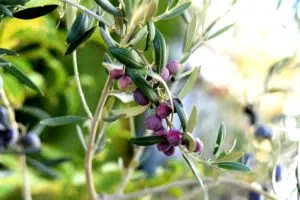
Although Arbequina is now the most cultivated olive variety in Spain, some historical research showed that the variety may have come from ancient Mediterranean trade routes. Some historians had stated that they believed the variety was introduced by the Dukes of Medinaceli when they traveled across the Mediterranean. The Dukes of Medinaceli discovered small, aromatic olives, which are similar to how today’s Arbequina looks.
Expansion in Spain
The Arbequina cultivation easily spread as the crop has a high productivity and excellent adaptability. The expansion in Spain is the beginning of a global olive oil history. Slowly, more and more regions cultivated Arbequina, including:
- Aragon
- Castilla-La Mancha
- La Rioja
- Navarra
- Andalusia
The reason why Arbequina’s production can expand easily across Spain is that it’s highly adaptable. It can adjust exceptionally well to high-density and super-intensive production systems, as Andalusia has. This is the beginning of Arbequina’s journey to become the leading olive oil variety in global exports.
Expansion Beyond Spain
In the last 30 years, olive oil production has gained a lot of interest outside of Spain. Consumption is also increasing, so countries outside of the Mediterranean Basin have started to cultivate olives, including South America, India, China, and Australia.
Arbequina, alongside other varieties such as Picual, Manzanilla, and Frantoio, is among the most extensively planted. In total, these varieties account for 70% of their production dedicated to olive oil.
The Role of Modern Olive Oil Farming in Its Global Sprea
There’s a reason why olive production can expand rapidly, especially in recent years. Farms had started to adapt super-high-density and intensive planting systems in new commercial orchards. These modern systems tackle the common problem in olive olive planting, especially in an unpredictable environment and low rainfall.
One of the most beneficial modern farming systems that has helped olive farming globalization is precision agriculture. This modern approach leverages data analysis and technology to optimize farming practices. The technology used includes satellite imagery, sensors, and GPS technology that provide deeper insights to farmers regarding pest activity, moisture levels, and soil conditions.
This system significantly helps farmers in making better decisions to optimize growing conditions and reduce waste. Farmers will know the best timing to apply water and fertilizers according to the plants’ needs. Not only does it optimize their management, but it also contributes to minimizing environmental impact. It’s a great modern system that ensures farmers can manage olive plantations when they’re grown outside of their ideal environment.
Arbequina Olive Oil in Global Cuisine
Arbequina olive oil has a smooth, buttery texture with a mild fruity flavor. These are some of the characteristics of Arbequina olive oil that attract a lot of culinary interest. This leads to a wide Arbequina usage in global cuisines.
Due to Arbequina’s mild flavor and smooth texture, it has versatile uses in the kitchen. The oil can be used for baking, sauteing, grilling, and roasting. It can give a rich taste boost to the dishes without changing their overall taste. It’s the perfect option for homecooks and professional chefs.
Arbequina olive oil is also ideal for finishing dishes. It’s often drizzled over salads, grilled vegetables, and soups to give extra richness and enhance the dish’s taste. However, one of the most common uses of Arbequina olive oil might be for bread dipping, especially for restaurants serving appetizers.











0 Comments