
Not all olive oils are made the same. Picual olive oil belongs to the group that can really elevate a meal. The oil’s origins are in a place packed with olive groves, and its flavor is unlike any other.
Jaén, the Heart of Picual Olive Oil
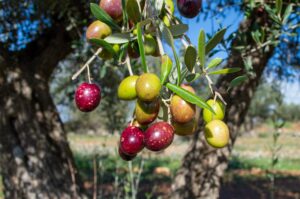
Jaén is a province in Andalusia, southern Spain. It produces more olive oil than any single country globally, even greater than Greece or Italy. It’s a well-documented fact, and the landscape makes it easy to believe. The country there is strewn with olive trees, row after row, and they spread over the dry hills and the bleached valleys in no less than 66 million.
The prevailing type in the latter is the Picual. It’s named after the sharp end of the olive fruit called “pico” in Spanish. The Picual tree is adapted to the conditions of Jaén: it is hot and dry in the summer, cold in the winter. Also, the soils are rich in calcium, which most other varieties won’t tolerate. Climate isn’t just incidental to the quality of the oil; it’s the reason for that quality.
The majority of picual olive oil sold in shops is from this province, whether it has a label indicating its origin. Many Spanish olive oil blends are based on Picual as their cornerstone. Thus, it’s one of the most consumed olive oils in the world, even by those who have never heard of Picual, who pick up a bottle.
Characteristics of Picual Olive Oil (Flavor, High Polyphenol, Oxidation)
Picual olive oil tastes robust. There’s upfront intensity: grassy green tomato, freshly mown hay, occasionally fig leaf. Then actual bitterness on the palate and a peppery hit at the back of your throat. That pepperiness isn’t a fault. It’s one of the hallmarks of fresh, high-quality extra virgin olive oil, and Picual often packs plenty of it.
Picual is also among the highest in polyphenols across all major cultivars. Polyphenols are naturally occurring compounds that lend extra virgin olive oil its bitter flavor. These compounds also provide the health benefits they are most often associated with, including those very powerful anti-inflammatory properties.
They don’t just sound good on tote bags; human clinical trials have confirmed them. Polyphenols also help the oil remain more stable after you’ve opened the bottle. This can be an important quality that rarely gets mentioned on olive oil websites.
That storied stability has everything to do with Picual’s chemical makeup. The oil contains high levels of oleic acid and natural antioxidants, helping it resist oxidation longer than most other varieties. Most mild olive oils start to degrade the moment you expose them to open air.
Picual will stay fresher for longer. All of which makes it an excellent choice for cooking with, not just drizzling on top of a finished dish. It won’t break down under heat the way that many fine extra virgin olive oils can when exposed to a hot skillet.
What Makes Picual Olive Oil Different from Other Varieties?
The olive oil category is broader than most consumers may think, and the various varieties do not taste anything alike. Arbequina, mostly a Catalan product, sold extensively throughout the US market, is buttery, mild, and nearly sweet. Hojiblanca is less acidic, slightly fruity, and convenient to work with in various dishes. Picual olive oil is at least neither of the two.
Where Arbequina is warm and easy to get along with, Picual is direct and bold. A cook who chooses Arbequina for its delicacy might find Picual overbearing in a dish that calls for a milder fat. However, cooking at high temperatures involves sautéing, roasting, or using hot pans. Here, Picual has an advantage over other varieties due to its stability and body. Those alternatives weren’t designed to withstand anything requiring such high heat.
Regarding nutrition, Picual consistently has higher levels of polyphenols than Arbequina and Hojiblanca. For consumers who purchase olive oil for its health benefits, that gap is worth noting. It’s not a marginal difference.
A practical observation: Picual is the dominant variety in many Spanish olive oil blends sold under generic labels. That’s no issue. Picual is a good-quality oil, but its name suggests the variety is much more common in home kitchens than it actually is.
When and Where Is Recommended to Use It?
The Picual olive oil is in its place, where its boldness is an asset and not an intrusion. One of such situations is high-heat cooking. Its ability to withstand oxidation makes it truly useful in sautéing vegetables, roasting root vegetables, or pan-frying proteins. These things simply aren’t quite compatible with many lighter extra virgin oils. Heat doesn’t make the oil bitter, as it does in more delicate varieties.
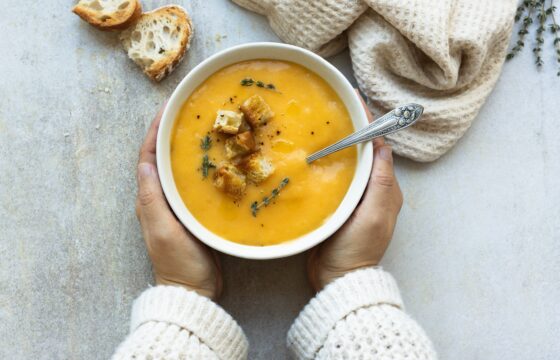
It also pairs well with dishes high in flavor: legume soups, grilled meats, hearty grain salads, and bitter greens such as arugula or radicchio. The oil isn’t overwhelmed by those ingredients; it stands on its own.
Where it falls short is in dishes that require something quiet. Light cheeses, mild white fish, simple pasta, or any recipe where neutral fat is desired will stand out in those situations. It won’t always be in a better position to enhance the dish, such as picual olive oil.
When opened, the oil is long-lasting compared to most because of its high polyphenol content. Nonetheless, it’s essential to store it in a cool, dark place away from direct sunlight. No olive oil is completely resistant to these conditions, and Picual is no exception.






0 Comments