
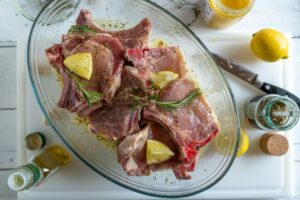
There is something about Mediterranean kitchens that have never given up olive oil. Whether it’s chicken going on the grill or veggies going in the oven, the right marinade can turn an ordinary meal into something truly fulfilling. Olive oil marinades have that effortless ability, and they don’t require fancy machinery or specialty ingredients.
Why Olive Oil Works So Well in Homemade Marinades
Olive oil has earned its spot in a marinade based on how it interacts with other ingredients. The fat-soluble flavor compounds found in herbs and spices truly bloom in richness when they can dissolve in oil, unlike their reaction with water. By building a homemade marinade around olive oil, every clove of garlic and sprig of rosemary can do infinitely more than it would in a water-based solution.
In addition to flavor infusion, olive oil creates a thin film on food, helping retain moisture when cooked over high heat. When cooking on a grill, the coating will help limit drying out and keep the food from sticking to the grate or pan.
Use extra virgin olive oil whenever possible. Its mild, slightly fruity character genuinely enhances the finished dish in a way a neutral cooking oil simply can’t.
Best Ingredients to Combine With Extra Virgin Olive Oil in a Marinade
A great olive oil for marinade starts with this basic formula: EVOO, acid, and aromatics. But the ratio is just as important as the ingredients. Here’s a good rule of thumb: 3 parts oil to 1 part acid. The acid should be present in a quantity that aids the process without prematurely breaking down the food.
Acids That Balance and Tenderize
Acid helps break down surface proteins, allowing seasoning to adhere better and improving texture when cooked. Lemon juice is by far the most flexible. Bright and clean, it complements chicken, fish, and vegetables alike. Red wine vinegar or apple cider vinegar adds an extra bite that pairs well with beef and pork dishes.
Balsamic vinegar imparts a subtle sweetness that works well with roasted vegetables and tofu. EVOO marinades that are too acidic will break down the outside of delicate proteins, leaving mush before it ever hits the heat.
Aromatics That Build Depth
Aromatics are where a homemade marinade will truly shine. Start with garlic. It’s hard to go wrong here. It’s rich and savory and fits into just about any marinade. Add fresh or dried herbs to enhance the flavor profile. Try rosemary or thyme on heartier proteins.
Oregano is great for Mediterranean-inspired marinades, and dill is perfect on fish. Dijon mustard will act as an emulsifier, helping your oil and acid stay combined. A dash of honey or brown sugar can help offset acidity.
How Long Should You Marinate Food With Olive Oil?
Marinating time will vary depending on what you are marinating and its thickness. More time does not always equal better results.
Chicken pieces can be cooked for 1 to 4 hours. Bone-in chicken can marinate for up to 12 hours in a homemade marinade, but anything beyond 24 hours will start to break down the meat’s texture. Tougher cuts of beef and pork can handle 2 to 8 hours, while leaner cuts require significantly less time. Vegetables only need 30 minutes to an hour.
Fish and seafood require special care when marinating. Salmon, shrimp, and white fish all work well with olive oil for marinade, but should only be soaked for 30 minutes to two hours. Any longer and the acid begins to break down the proteins, resulting in a texture that cannot be repaired by cooking.
Marinating should always be done in the refrigerator, and any leftover marinade that came in contact with raw meat should be discarded.
Easy Marinade Ideas for Chicken, Vegetables, and More
The three recipes below can be combined in minutes and are suitable for grilling, roasting, or pan-cooking. They all begin with a very basic marinade recipe and pantry staples.
Classic Lemon-Herb Olive Oil Chicken Marinade
This olive oil marinade is hard to beat for its dependability. Lemon brightens, garlic adds depth, and herbs pull it all together.
- ½ cup extra virgin olive oil
- ¼ cup fresh lemon juice
- 3 to 4 minced garlic cloves
- 1 tablespoon fresh rosemary or thyme
- Salt and black pepper to taste
Let the boneless chicken pieces soak in the marinade for 2 to 4 hours. This recipe fries up beautifully on the grill or bakes perfectly in the oven.
Mediterranean Olive Oil Vegetable Marinade
Balsamic vinegar and Dijon mustard add a complex, tangy flavor to this olive oil for marinade. It helps evenly coat vegetables and develops more flavor as they roast longer.
- ⅓ cup extra virgin olive oil
- 2 tablespoons balsamic vinegar
- 1 teaspoon Dijon mustard
- 1 teaspoon dried oregano
- A pinch of red chili flakes, salt, and black pepper
Marinate vegetables for 30 minutes to one hour. It’s delicious on zucchini, bell peppers, mushrooms, and red onion.
Simple Olive Oil Marinade for Fish and Seafood
Fish calls for simplicity. With just a handful of ingredients, this recipe lets the fish’s natural flavor shine.
- 3 tablespoons extra virgin olive oil
- 2 tablespoons fresh lemon juice
- 2 minced garlic cloves
- 1 teaspoon lemon zest
- Fresh dill or parsley, salt, and black pepper
Don’t marinate most fish for longer than 30 minutes. Salmon, shrimp, tilapia, and cod love this easy basic olive oil for marinade recipe.
The Secret Was in the Pantry All Along
Excellent taste doesn’t always need to be complicated. Creating a DIY marinade that really delivers the goods just requires a bottle of fine extra virgin olive oil, a suitable acid, and some aromatic elements.
Homemade olive oil marinades allow backyard chefs an easy, foolproof way to produce a meal that looks like it took way more effort than it really did. Whether for a weeknight meal or a weekend barbecue, olive oil helps.











0 Comments