
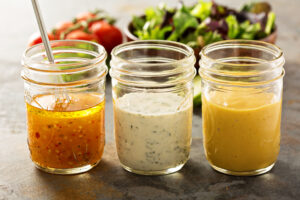
Processed salad dressings disguise high levels of salt, processed sugar, and additives with flashy packaging and smart advertising. Many well-intentioned eaters inadvertently undermine healthy salads by tossing them with large globs of store-bought dressing.
For anyone aiming to hit their health targets, learning how to make healthy salad dressing is a fast, economical, and significantly better path forward. Homemade dressing lets one choose their ingredients, enabling you to create impressive vegetable dishes that align with your health goals.
Essential Ingredients for a Healthy Homemade Salad Dressing
When home cooks learn the basics that make a great vinaigrette, they can create a world of flavor combinations. The classic “golden ratio” for a vinaigrette is 3 parts oil to 1 part acid. People can adjust the ratio to 1-to-1 or 2-to-1 to reduce calorie density while still making a healthy homemade salad dressing.
The Base extra virgin olive Oils
Always start with heart-healthy fats. Extra virgin olive oil is best as it is packed with Mediterranean flavor and antioxidants. Avocado oil is great if one wants something mild that won’t overpower other flavors in their dressing. Avoiding highly processed seed oils is best for those following a healthy diet.
The Acids
Acids help brighten the flavor overall and cut through the fattiness. Fresh-squeezed lemon or lime juice adds a nice, bright citrus zip to the bowl. And good quality balsamic vinegar will add a natural richness and sweetness.
Emulsifiers and Flavor Enhancers
Emulsifiers are magic when it comes to creating a dressing that will hold together. They help keep oil and water from separating right away. Dijon mustard, tahini, or even a teaspoon of raw honey are all great, healthy emulsifiers.
For even more flavor, add some no-calorie flavor enhancers like chopped raw garlic, finely chopped shallots, sea salt, freshly ground black pepper, and fresh herbs like basil, dill, or cilantro.
3 Healthy Dressings Recipes for Salads
Having some fail-proof mixes ready to go can be a shortcut for those wanting to increase their daily vegetable servings. Each of these can be whipped up in under 5 minutes.
Classic Lemon Herb Vinaigrette
Light, zippy, and easy to live with, this one fits right into day-to-day eating. Just combine extra virgin olive oil with fresh lemon juice, a spoon of Dijon mustard, minced garlic, dried oregano, plus salt and pepper.
The mustard pulls everything together and keeps the oil and lemon from separating, so one ends up with a healthy dressing recipe for salad that even beginners can make without much fuss, something one can keep on hand in the fridge.
Creamy Greek Yogurt “Ranch”
It’s a familiar feeling: wanting that luxurious, creamy texture without reaching for the mayo or sour cream. Combine plain Greek yogurt for an extra protein with a little almond milk, garlic powder, onion powder, fresh dill, and a dash of apple cider vinegar to create something incredible. This simple swap cuts the fat content by more than half while beautifully maintaining the classic comfort-food texture that people love.
Maple Balsamic Glaze Dressing
A sweet-and-tangy dressing really shines when paired with a meal featuring fruits, nuts, or sharp cheeses. Try combining balsamic vinegar with olive oil, a teaspoon of pure maple syrup, and a pinch of sea salt for a delicious topping.
With the ability to dictate the sweetener, this healthy homemade salad dressing trumps bottled balsamic vinaigrettes in terms of health. Most commercial brands contain high-fructose corn syrup and artificial caramel coloring.
How to Customize Dressings for Different Salads
Acidic beverages complement vegetables perfectly when they are well-matched. The home chef needs to pay attention to how much, how soft, and what flavor of greens will be served.
- Delicate Greens: Arugula, baby spinach, spring mix. These greens have thinner leaves and wilt easily with heavy toppings. They are delicate, so dress them lightly with a citrus vinaigrette to preserve their crispness.
- Sturdy Greens: Hearty vegetables such as kale, romaine lettuce, and shredded cabbage can withstand heavier, creamier toppings. The tough, fibrous texture of these sturdy greens may be softened by cold-pressing the dressing in advance and mixing it in by hand.
- Flavor Balancing: The flavor balance will depend on the toppings used. With sweet foods, such as sliced apples or dried cranberries, add more acid to the salad dressing. On the other hand, when the bowl is made with bitter greens such as radicchio, a bit more honey or maple syrup is needed to create harmony.
How to Store Homemade Salad Dressings
Ensuring these homemade dressings are stored correctly means they’ll stay safe to eat and delicious for the next meal. Keep dressings stored in glass mason jars with secure lids. Glass won’t retain odors and allows people to shake the contents vigorously immediately before dressing their meal.
EVOO and vinegar-based dressings can be stored in the fridge for up to two weeks. Sauces that contain dairy, like this yogurt ranch, will have a shorter fridge life of five to seven days. Remember that olive oil will thicken in the cold. People can set the container on the counter for 10 to 15 minutes before they plan to eat, then shake vigorously.
The Final Drizzle on Nutritional Success
Freshen up canned goods or liven up leftovers by making one’s own dressing or sauce. Spending just a couple of minutes to mix up these simple recipes will change the calorie game for any produce dish.
Learn how to avoid unnecessary chemicals and processed ingredients while stocking the kitchen with fresh flavors. With a few select oils, vinegars, and spices on hand, you can turn humble veggies into a healthy masterpiece daily.









0 Comments